 23 February 2026

By Publisher Ray Carmen
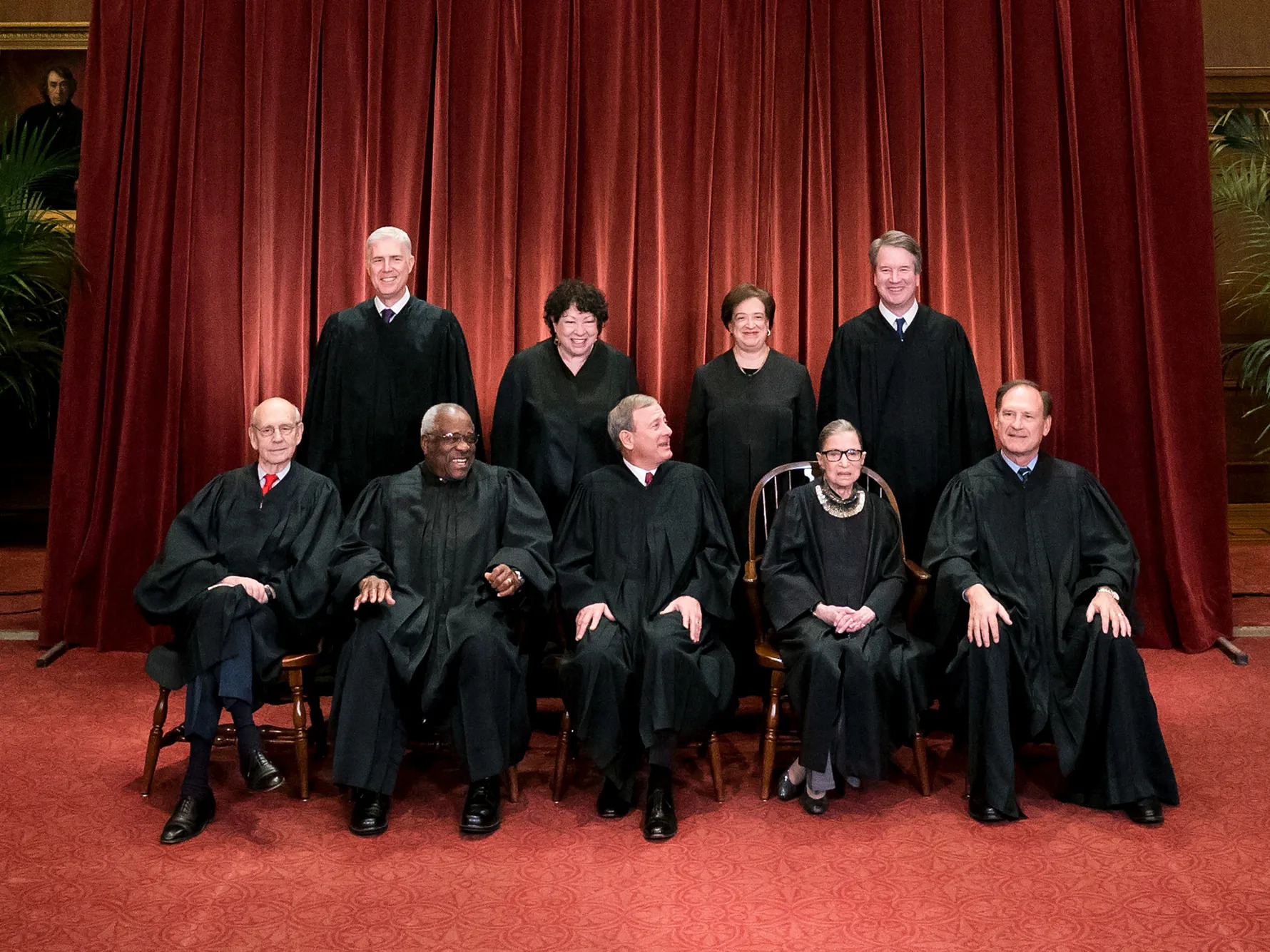
In a ruling that reverberates across Washington and global markets alike, the Supreme Court of the United States has struck down former President Donald Trump’s sweeping tariff regime, declaring that the executive branch overstepped its constitutional authority.

By a 6–3 majority, the Court held that Trump’s use of the International Emergency Economic Powers Act (IEEPA) to impose broad import taxes exceeded the limits of presidential power. Writing for the majority, Chief Justice John Roberts underscored a foundational constitutional principle: the authority to levy taxes and tariffs rests with Congress, not the President.
The decision delivers a sharp rebuke to one of the most aggressive economic strategies of Trump’s administration.
The Legal Core of the Decision

At the heart of the case was whether emergency economic powers could justify tariffs affecting vast swathes of global trade.
The Court ruled they could not.
IEEPA, originally crafted to address national security threats through sanctions, was never intended to grant open-ended tariff authority. The majority opinion stressed that allowing such expansive executive control would blur the separation of powers and undermine congressional authority over taxation and trade.
In essence, the Court reaffirmed a constitutional guardrail: economic emergency powers are not a blank cheque.
Economic Stakes: Billions in Play

The fallout could be enormous.
-
Businesses that paid the tariffs may now pursue substantial refunds.
-
Importers and manufacturers who argued the duties fuelled inflation see the ruling as relief.
-
Global trade partners are reassessing their exposure to future unilateral U.S. trade actions.
While markets reacted cautiously, the broader economic impact will unfold over months , particularly if Congress chooses to revisit trade legislation.
Trade, Politics & Power

For Trump, the ruling represents both a political and symbolic setback. Tariffs were a signature feature of his economic doctrine , framed as tools to protect American industry and rebalance trade relationships.
Supporters argue the measures strengthened U.S. negotiating leverage. Critics countered that they functioned as de facto taxes on American businesses and consumers.
Now, with the Court’s intervention, the constitutional boundary is unmistakably redrawn.
The Broader Significance
This is more than a trade dispute.
It is a defining moment in the ongoing debate over executive authority versus congressional power.
In striking down the tariffs, the Supreme Court has delivered a clear message: even in matters of economic urgency, the separation of powers remains paramount.
Whether Congress steps forward to reshape trade law , or whether future administrations test different statutory pathways , remains to be seen.
But for now, one thing is certain:
The balance of power has been forcefully reaffirmed.