 9 July 2026

By Publisher Ray Carmen & Ines Lakhdar
For more than 1,400 years, the holy city of Mecca has stood at the spiritual heart of Islam, drawing millions of Muslims from every corner of the globe in one of the greatest annual gatherings of humanity.
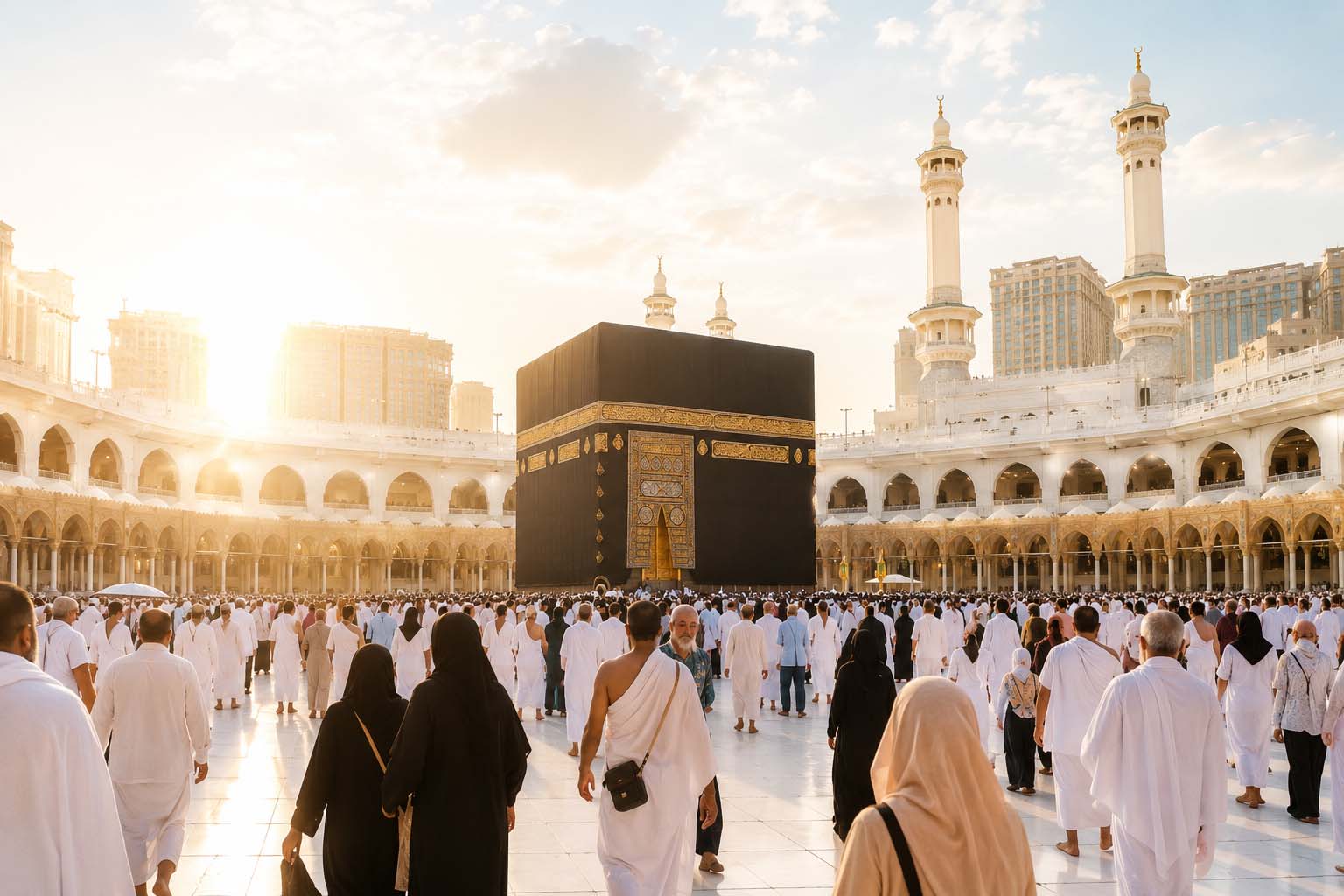
Located in western Saudi Arabia, Mecca is the birthplace of the Prophet Muhammad and the site of the Kaaba, the sacred structure at the centre of Masjid al-Haram, the largest mosque in the world. Wherever they may live, Muslims face the Kaaba during their daily prayers, making it one of the most significant locations on Earth for nearly two billion people.
Each year, millions undertake the Hajj pilgrimage, one of the Five Pillars of Islam and a religious duty for those who are physically and financially able to perform it at least once in their lifetime. Millions more visit throughout the year to perform Umrah, a pilgrimage that can be undertaken at almost any time.
What makes Mecca truly remarkable is not only its religious significance but also its message of unity. Pilgrims arrive from every continent, speaking hundreds of languages and representing countless cultures, yet they gather in common purpose, dressed in simple white garments that symbolise equality before God.
Over the centuries, Mecca has evolved into a modern city equipped to welcome vast numbers of visitors while preserving its profound spiritual heritage. Advanced transport systems, expanded facilities and careful planning help support one of the largest recurring gatherings anywhere in the world.
For Muslims, Mecca is far more than a destination. It is a place of prayer, reflection, gratitude and renewal—a city that has inspired faith, compassion and hope across generations.
Whether viewed through the lens of history, architecture, culture or spirituality, Mecca remains one of the world’s most extraordinary and influential cities.
WORLD OF 7
195 Countries. 7 Continents. One World.